Keratin smoothing treatment, South Tampa
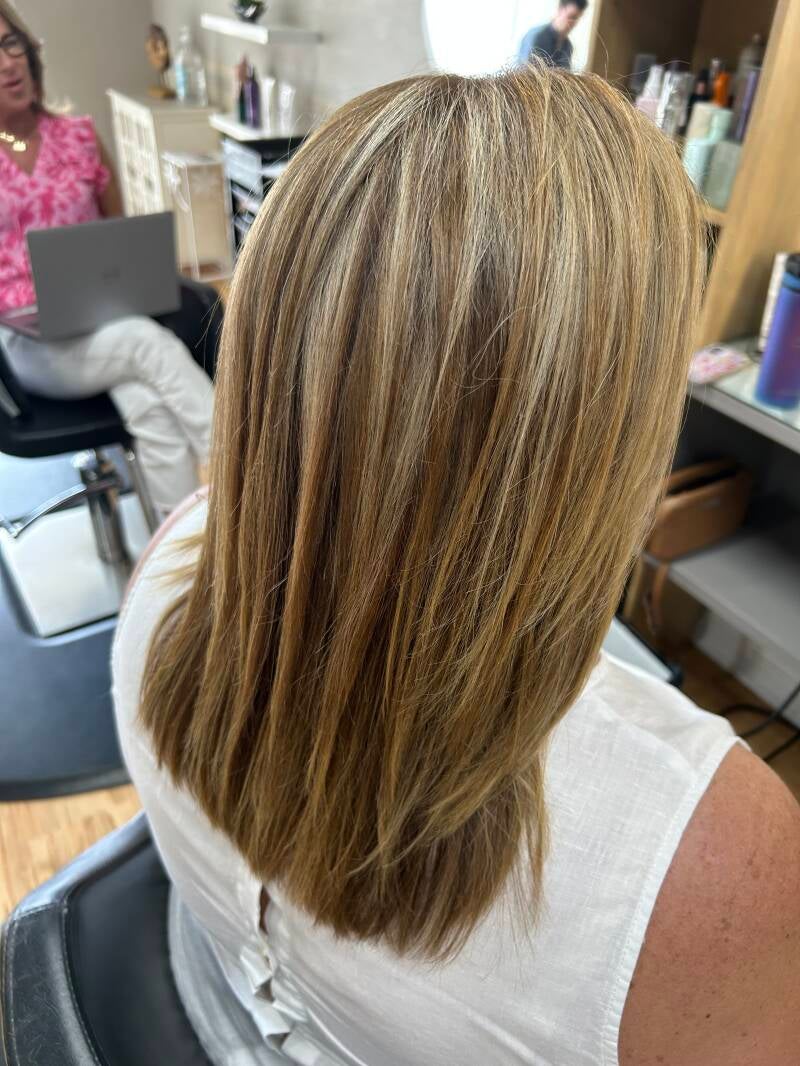
Frizz usually tells the truth before anything else does.
10 Aug 2026 08:15
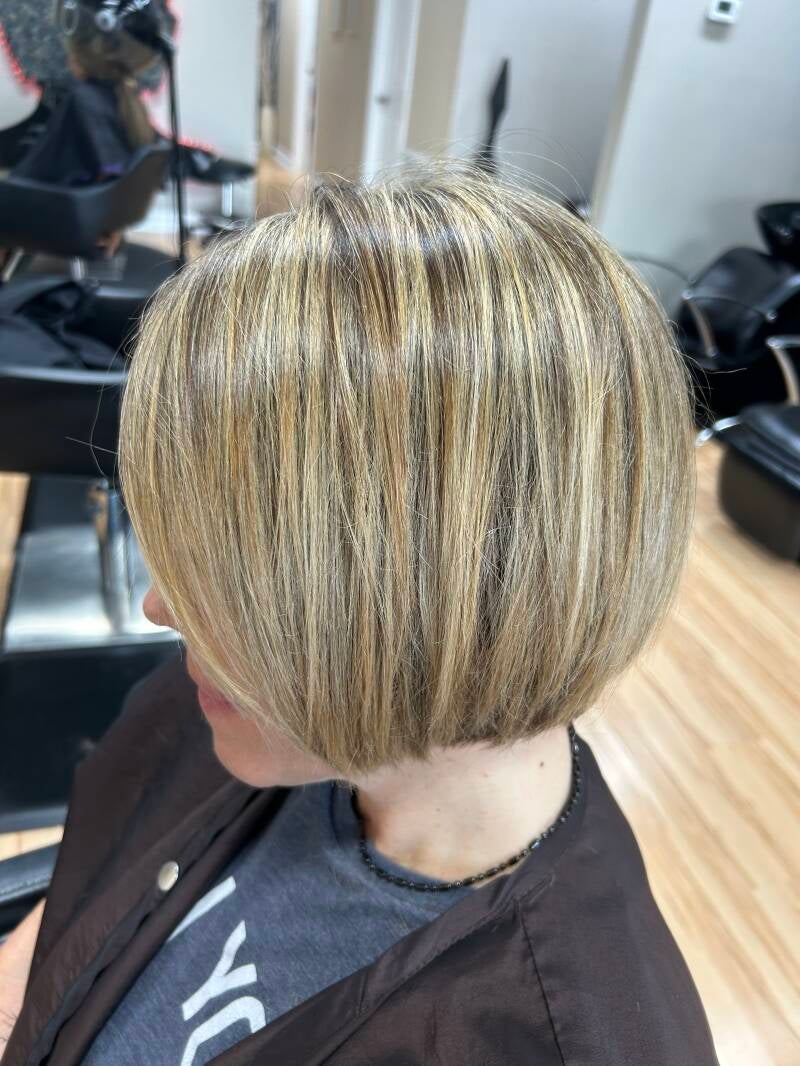
Frizz usually tells the truth before anything else does.
21 Dec 2025 01:13
✨ Trends by Devicci @ Enso Hair Studio📍 2111 S. Dale Mabry HwyServing Palma Ceia • Bayshore • Hyde Park • Westshore • South Tampa • Clearwater • St. Pete
21 Aug 2026 19:47
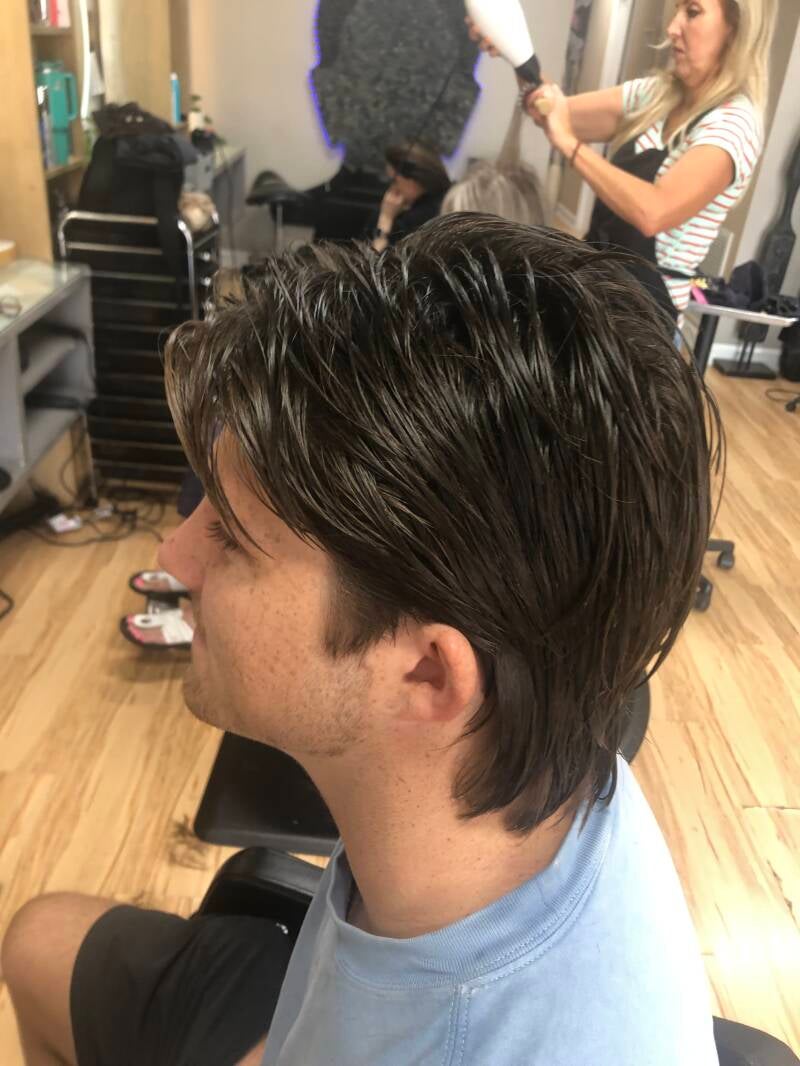
Pat DeVito | InTeXT ArTistry Cut & Contourvation Cutting System Where Technique Meets Personalization A truly personalized haircut begins with seeing the individual—not simply the hair. Pat DeVito's approach to haircutting is built around the relationship between shape, movement, texture, weight, facial features, and the individual characteristics of the hair. Two distinctive elements of this approach are the InTeXT ArTistry Cut and the Contourvation Cutting System. The InTeXT ArTistry Cut is distinguished by a unique set of shears created by Pat DeVito, with the design currently patent pending. The Contourvation Cutting System is the methodology behind the haircut—a way of breaking down the contours of the head and using those contours, together with individual facial features, to personalize each haircut. The result is not simply a haircut based on a predetermined style. It is a haircut designed around the individual. The InTeXT ArTistry Cut The InTeXT ArTistry Cut begins with the tool. Pat DeVito created unique shears as part of this cutting concept. The shears are currently patent pending, reflecting the originality of the tool and its intended role within the cutting process. The purpose isn't simply to have another pair of shears. The tool is part of a specific way of working with the hair, allowing Pat to approach texture, movement, and shape with a distinctive cutting technique. InTeXT ArTistry Cut is the tool that supports the artistry. The Contourvation Cutting System The Contourvation Cutting System is the methodology behind how Pat DeVito approaches the shape of the haircut. Every head has its own contours. The forehead, temples, cheekbones, jawline, crown, and other structural characteristics contribute to the overall visual relationship between the hair and the face. Rather than creating one standard haircut and applying it to everyone, the Contourvation Cutting System breaks down those contours to help determine how the haircut can be personalized. The objective is to create a shape that works with the individual's facial features, rather than simply reproducing a particular style. Personalizing the Haircut to Facial Features A haircut can influence the way the face is perceived. Length, volume, movement, angles, and placement of weight can all influence the relationship between the hair and facial features. The Contourvation Cutting System takes those relationships into consideration. The haircut can be personalized with attention to: • Facial proportions • Forehead and temple structure • Cheekbone placement • Jawline • Head shape • Natural hairline • Hair density and texture • Natural movement The goal isn't to make every face fit the same ideal. The goal is to create a haircut that is personalized to the individual in the chair. Every Haircut Becomes Its Own Design Two people may ask for a similar haircut and still receive two completely different shapes. Their facial features may be different. Their head contours may be different. Their density, texture, growth patterns, and natural movement may be different. Those differences matter. The Contourvation Cutting System provides a framework for considering those characteristics and translating them into a personalized haircut. That is where the artistry comes into the process. Dry Haircutting and Natural Movement Dry haircutting can further support this personalized approach by allowing the natural behavior of the hair to be observed. Hair doesn't always behave the same way when it is wet as it does when it is dry. Texture, density, curl, wave, movement, and growth patterns can become more apparent when the hair is in the state in which it is normally worn. Working with those characteristics allows the haircut to be adapted to the individual rather than forcing the hair into a predetermined shape. InTeXT Hair Care The haircut is only one part of creating beautiful, manageable hair. The condition and internal structure of the hair can also influence how a haircut looks, feels, and behaves. This is where InTeXT Hair Care becomes another part of Pat DeVito's overall philosophy. InTeXT Hair Care focuses on the internal structure of the hair and the bonds that contribute to its strength, condition, smoothness, and manageability. The Slide Smoothing Bond Reconstructive System by InTeXT Hair is part of this approach, designed to support the hair while improving its smoothness, shine, and manageability. Healthy, well-conditioned hair can behave differently from hair that has been compromised by chemical processing, heat, environmental exposure, or other stresses. The philosophy is simple: Healthy hair behaves better. Hair that behaves better allows the haircut to perform better. Where Keratin Treatments Fit A keratin treatment addresses another aspect of the hair. While the cutting systems focus on shape, contours, facial features, and personalization, a keratin treatment can help address smoothness, frizz, and manageability, depending on the treatment selected. When appropriate, the two can complement one another. The haircut creates the personalized shape. The treatment can help make the hair easier to manage within that shape. The services are not interchangeable. Each has its own purpose. A Complete Approach to Personalized Hair The InTeXT ArTistry Cut begins with a unique tool—the patent-pending shears created by Pat DeVito. The Contourvation Cutting System provides the methodology for analyzing the contours of the head and personalizing the haircut around the individual's facial features. Dry haircutting allows the natural characteristics and movement of the hair to be observed. InTeXT Hair Care focuses on the condition, internal structure, smoothness, and manageability of the hair. And when appropriate, keratin treatments can provide another option for improving smoothness and manageability. Each element has its own purpose. Together, they create a philosophy centered on one goal: Healthy, personalized hair that looks beautiful, moves naturally, and is manageable in real life. The Artistry Is in the Whole Picture A personalized haircut isn't just about the shape. It's about the relationship between the person, the facial features, the contours of the head, the texture of the hair, the haircut, and the condition of the hair itself. That is what makes Pat DeVito's approach distinctive. InTeXT ArTistry Cut is the tool. Contourvation Cutting System is the methodology. InTeXT Hair Care supports the condition and manageability of the hair. The individual is the inspiration. — Pat DeVito
19 Dec 2025 07:57
15 Dec 2025 10:16
In this space, we share inspiration, tips, and stories that help you get the most out of our services. Whether you're looking for helpful tips, background information, or a behind-the-scenes look: you'll find it all here. We regularly post new articles, so keep an eye on the blog for updates and new insights.
25 Sept 2025 23:41
Pat DeVIto
16 Dec 2025 16:45
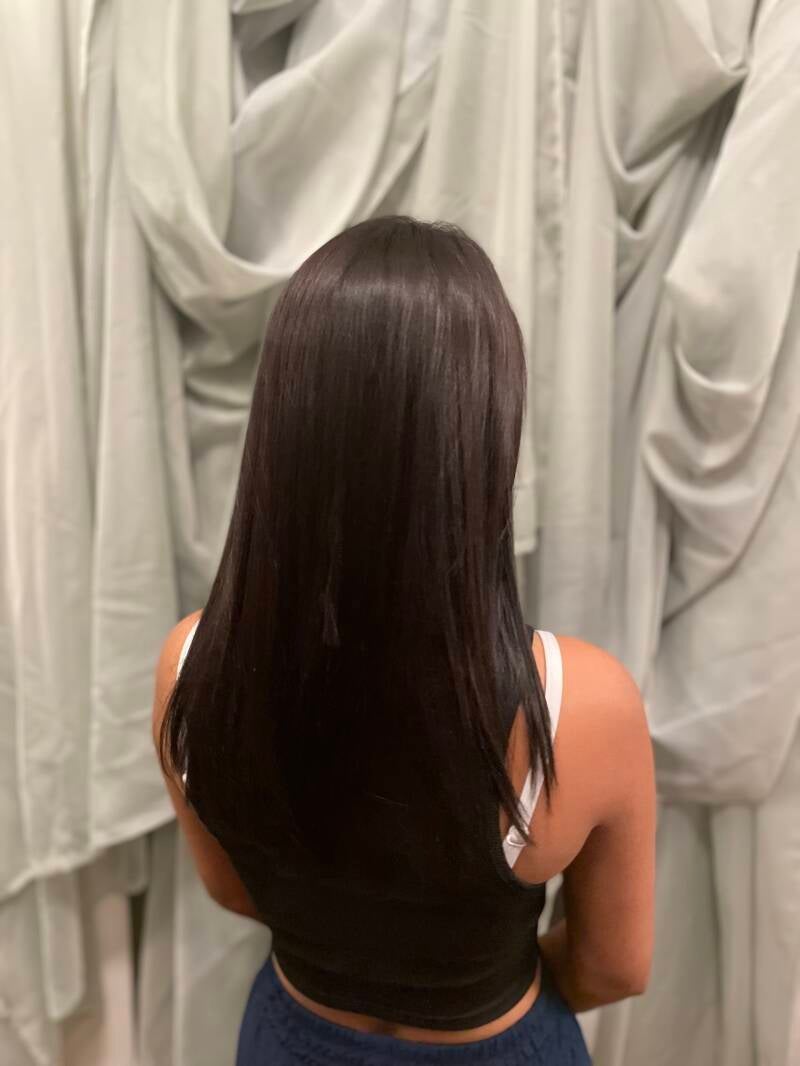
Daily Renewal. Bond Protection. Lasting Smoothness.
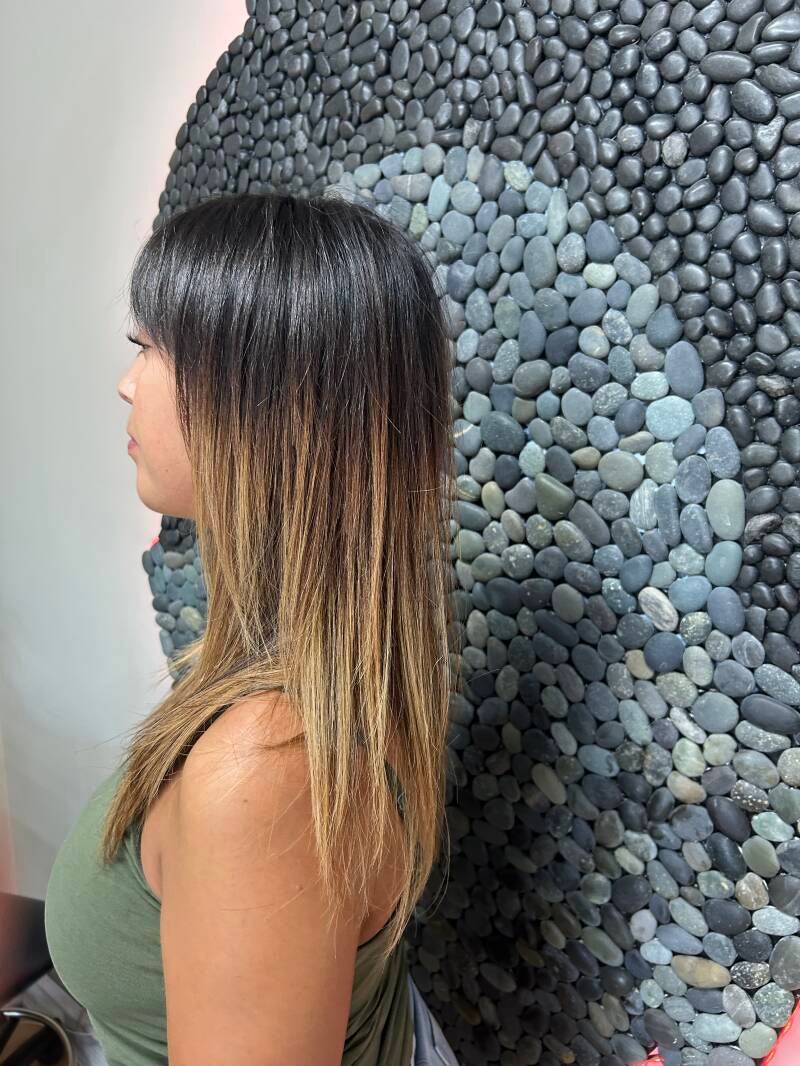
Size shape, form line, the Transformation of all these elements is the foundation of Art, and hair design. The transformation of shapes can only occur from within a haircut to create the softness and sharpness of the facial features, transforming the shape creates current up-to-date looks at all times.
Humidity has a way of exposing every weakness in a haircut, color service, and home routine. A true frizzy hair smoothing transformation is not about pressing the life out of your hair or making every client look the same. It is about creating controlled movement, a healthier-looking surface, and a shape that still feels like you when Tampaâs moisture rises.
For some clients, smoothing means a glossy blowout that holds its finish. For others, it means curls that stay defined instead of expanding, or thick hair that finally falls into a polished silhouette without a daily battle. The right result starts by identifying why the hair is frizzing in the first place.
Frizz is often treated like a styling problem, but it usually begins with hair behavior and internal structure. When the cuticle is lifted or uneven, the hair takes on moisture from the air. Each strand swells differently, which is why hair can look rough, puffy, or undefined even after careful styling.
Chemical services, heat tools, sun exposure, hard water, and friction from towels or pillowcases can all contribute. Natural texture matters too. Curly, wavy, coarse, and high-density hair is not automatically unhealthy because it has volume or movement. It simply requires a design and care plan that respects how it grows, bends, and responds to moisture.
An overly layered cut can make that response worse. If too much weight has been removed from the wrong areas, the hair may lack the internal support needed to settle into a clean shape. Adding another smoothing product may camouflage the issue temporarily, but it will not correct a haircut that is working against the texture.
The most convincing smoothing transformations are built from the inside out. Before recommending a treatment, a specialist should assess density, curl pattern, previous color, porosity, face shape, lifestyle, and the amount of styling a client realistically wants to do.
At Trends by Devicci, the InTeXT Artistry CuT System approaches shape through dry haircutting and interior architecture. Rather than relying on conventional layers alone, the method selectively reshapes the internal mass of the hair. This can release unwanted bulk, preserve the weight that keeps ends polished, and create movement that does not erupt into frizz when the hair dries naturally.
That distinction matters. A client with dense, wavy hair may need strategic internal space so the shape can breathe. A client with fine hair and fuzzy ends may need more perimeter strength, not more thinning. Someone with curls may need a structure that encourages definition and lift while protecting the integrity of the curl pattern.
The goal is not to make texture disappear. It is to give texture a more intentional expression.
When the cut is designed for the hairâs actual behavior, blow-drying becomes faster and less aggressive. Hair can move without becoming triangular, overly wide, or disconnected at the ends. Your styling products also work more effectively because they are supporting a shape with balance rather than trying to force one into place.
This is why clients sometimes notice that their hair looks smoother before a smoothing treatment is even applied. Better architecture creates better control.
A professional smoothing service can be a powerful option, but it should be selected with precision. Not every frizz concern needs the same answer, and not every client wants the same finish.
Keratin smoothing treatments are often ideal for clients who want reduced frizz, shorter styling time, more shine, and softer movement without committing to permanently straight hair. Depending on the formula, hair condition, and aftercare, the result can last for several weeks or months. The effect typically fades gradually, allowing natural texture to return over time.
The trade-off is that a smoothing treatment requires a thoughtful consultation. Previously lightened, highly porous, or compromised hair may need restorative care before receiving any heat-assisted service. Clients who love wearing strong curls may prefer a curl-supportive routine and a precision cut over a treatment that relaxes their pattern more than they want.
Color timing matters as well. Highlights, balayage, and one-process color affect the cuticle, so service sequencing should be planned around the hairâs condition and the desired result. There is no one-size-fits-all formula for healthy shine.
One of the most common concerns is losing volume. That can happen when smoothing is performed without considering density, root lift, and the clientâs preferred finish. But sleekness and body are not opposites.
The right service can soften the surface of the hair while a customized cut maintains movement and shape. Blow-drying technique also matters. Root direction, brush tension, and controlled heat can create lift at the scalp while keeping mid-lengths and ends refined. The result is polished hair with presence, not hair that hangs limp around the face.
A salon transformation becomes more valuable when it improves your everyday routine. At home, the objective is to minimize new cuticle disruption while using products that suit your texture instead of weighing it down.
Start with gentle cleansing and conditioning selected for your hairâs needs. Over-cleansing can leave some hair types feeling stripped and more reactive to humidity, while heavy oils and masks can make fine hair collapse. A professional recommendation is especially useful if you have color-treated hair, extensions, curls, or a smoothing service.
After washing, avoid aggressively rubbing hair with a standard bath towel. Press out water with a soft microfiber towel or cotton T-shirt, then apply a leave-in or heat protectant before blow-drying. If you air-dry, use a product that supports your natural pattern rather than repeatedly touching the hair as it dries. Constant handling separates strands and invites more frizz.
Heat tools are not the enemy, but uncontrolled heat is. Use the lowest effective setting, work in clean sections, and make sure hair is fully dry before finishing. Running a flat iron over damp areas can cause unnecessary damage and quickly undo the smoothness you worked to create.
Sometimes frizz is simply seasonal. Other times, it is a sign that your current hair plan has reached its limit. If your ends feel rough no matter what you apply, your blowout stops looking finished within an hour, or your hair has become unpredictable after color or a major life change, it may be time for a new approach.
A personalized consultation can separate a haircut issue from a condition issue. It can also reveal when the answer is not a smoothing treatment at all. A small adjustment in interior shape, a stronger perimeter, a color plan with more recovery time, or a different styling routine may deliver the better outcome.
Not necessarily. Results depend on the treatment, your natural texture, and the finishing technique. Many clients choose smoothing because they want less frizz and easier styling while keeping bend, body, or curl.
Often, yes, but the hair must be assessed first. The condition of lightened sections, existing color history, porosity, and your future color goals all influence the safest service plan.
It depends on length, texture, and chemical history. Many clients benefit from regular refinement appointments before split ends and lost shape begin to make styling harder. The best schedule is one that maintains the structure of your particular cut.
Beautifully smooth hair should still look alive when you step outside, tuck it behind your ear, or let it dry on a busy morning. Choose a transformation that respects your texture, protects its condition, and gives you a shape you are genuinely happy to wear.
The InTeXT philosophy goes beyond the haircut. At Trends by DeVicci, Pat DeVito has developed a complete approach to beautiful, healthy-looking, manageable hair that combines custom haircutting, unique InTeXT Hair care products, and professional keratin treatments.
Each part of the system is designed to work together. The InTeXT Artistry CuT System creates the customized structure and movement, while InTeXT Hair care products and professional treatments help support the look, feel, shine, smoothness, and manageability of the hair.
InTeXT Hair products are created with the same philosophy behind Pat DeVito's approach to haircutting: understand the hair, respect its natural characteristics, and create a beautiful result that is easier to manage.
From smoothing and conditioning to maintaining softness and shine, the right professional products can help extend the benefits of a customized haircut between salon visits.
InTeXT Hair products are available through Trends by DeVicci and can be selected according to your individual hair needs and styling goals.
Looking for smoother, more manageable hair in Tampa's humidity? A professional keratin treatment in Tampa can be an excellent option for clients who want to reduce unwanted frizz and make everyday styling easier.
Tampa Bay's heat and humidity can make hair difficult to control. A professional smoothing treatment can help create a smoother, more polished appearance while complementing your customized haircut and home-care routine.
At Trends by DeVicci, your treatment can be considered as part of your overall hair design rather than as an isolated service. Pat DeVito and the team can help determine which approach best fits your hair type, desired result, and lifestyle.
Cut. Care. Smooth.
The InTeXT approach brings these elements together to create a personalized hair experience:
The goal is simple: healthy-looking, shiny, soft, beautiful hair that is easier to manage in real Tampa Bay conditions.
If you're searching for unique hair care products in Tampa, a keratin treatment in South Tampa, or a customized haircut designed by Pat DeVito, Trends by DeVicci offers a complete approach to hair design and care.
Visit Trends by DeVicci at Enso Hair Studio in South Tampa and discover how the InTeXT philosophy can be customized for your hair.
Trends by DeVicci at Enso Hair Studio
2111 S. Dale Mabry Hwy.
Tampa, FL 33629
Discover InTeXT Hair, experience the InTeXT Artistry CuT System, and give your hair the care it deserves.
Beautiful hair doesn't stop with the haircut. InTeXT Hair extends the philosophy of Pat DeVito's InTeXT Artistry CuT System into professional hair care designed to help maintain healthy-looking, shiny, soft, manageable hair.
The right products can complement a customized haircut by helping support the finished look between salon visits. Rather than treating every head of hair the same, professional product recommendations can be selected around your individual texture, condition, styling routine, and goals.
Tampa Bay humidity can make smooth, polished hair more difficult to maintain. A personalized hair-care routine can help you better manage your hair through Florida's heat and moisture.
At Trends by DeVicci, InTeXT Hair products are part of a larger approach to hair design: customize the cut, care for the hair, and make everyday styling easier.
Discover unique hair care products in Tampa and learn which InTeXT Hair products are right for your hair.